Atlanta Public Schools (APS) continued to show overall improvement on the College and Career Readiness Index (CCRPI), according to the 2025 CCRPI data, released by the Georgia Department of Education.
The CCRPI includes five components: Content Mastery, Progress, Closing Gaps, Readiness, and Graduation Rate (for high schools). APS scored 100 on the Closing Gaps component in elementary schools and improved Readiness and Content Mastery scores at all grade bands. Additionally, students with disabilities and who are economically disadvantaged made gains in 11 of 12 areas.
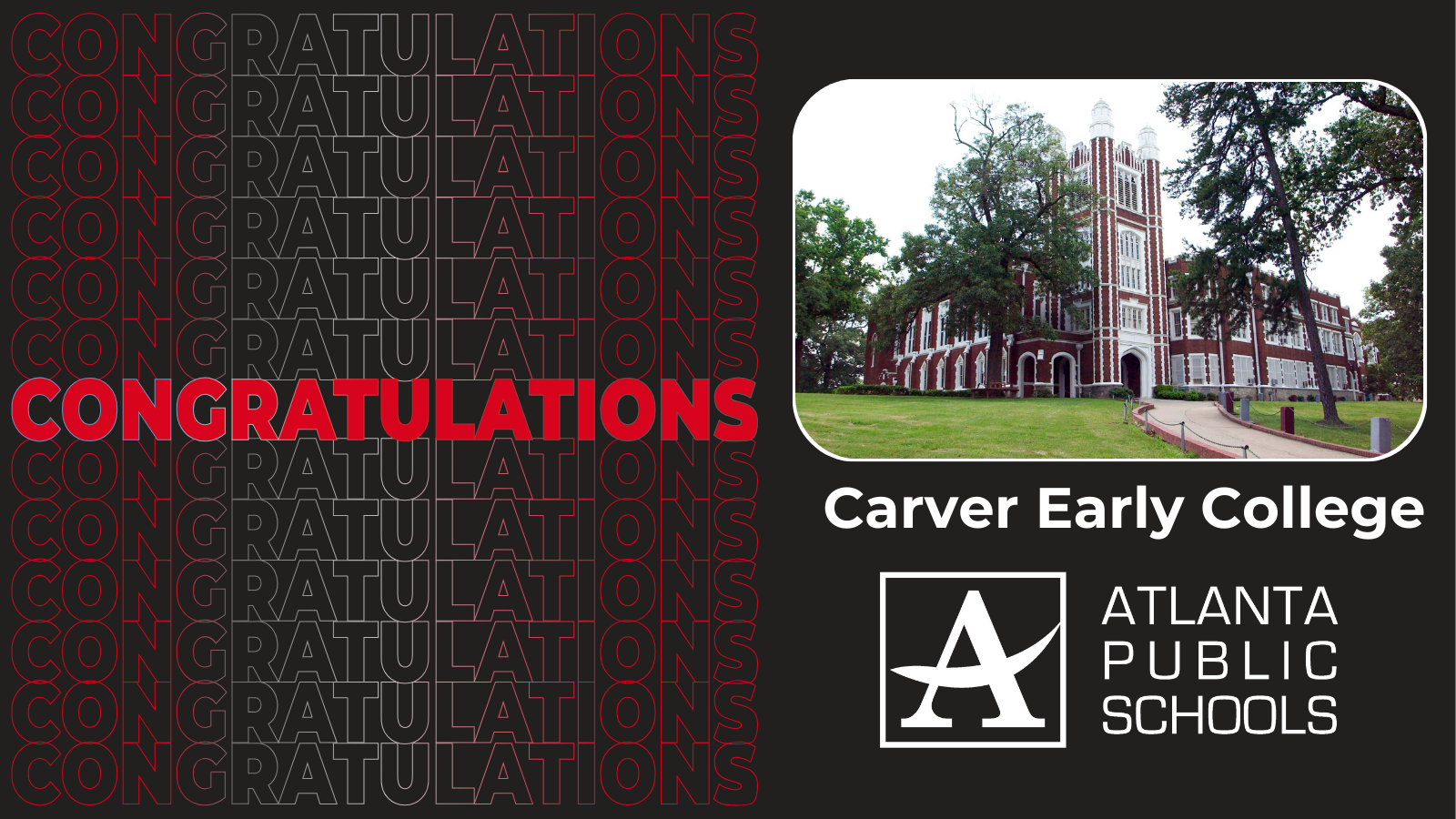
Principal Christina Rogers details how Carver Early College achieved its gains:
Q: What specific strategies or initiatives did your school implement that you believe contributed most to the CCRPI improvement?
A: We implemented an attendance monitoring system in which the attendance team actively monitored the scholars’ daily attendance and CCRPI attendance weekly. Students who fell below the 90% CCRPI threshold were put on the attendance caseload. Students on the caseload must check in with their mentor, and parent conferences are scheduled on an as-needed basis. The school Social Worker also conducts home visits and submits truancy documentation for students who have egregious absences.
To improve student achievement, the Instructional Leadership Team ( ILT) focused on instructional planning and data analysis. Professional Learning Communities ( PLCs) are held twice a week. These foci include data analysis and collaborative planning. Specific data analysis and collaborative planning protocols were used with fidelity in order to ensure consistency in practice and instructional delivery. Weekly ILT meetings were held to review student data in all core subject areas- specifically EOC courses. The team analyzed subgroup data to determine how to best support our Interrelated teachers.
We monitor students beginning in their 9th grade year to ensure they are on track to graduate. If a student becomes credit-deficient, we provide alternative measures as early as the second semester of 9th grade. This, along with the wraparound support provided by our Counseling Team—which includes counselors, a graduation coach, and administration—has contributed to our increased graduation rate.
Q: Can you share examples of how your teachers are driving student growth and achievement, and any practices that have been particularly effective?
A: Teachers give weekly formative assessments, and they analyze the data in their weekly PLC. Teachers consistently use data analysis and collaborative planning protocols. Additionally, teachers participate in professional learning led by the instructional coach and teacher leaders. These professional learning opportunities are aimed to focus on areas of growth based on data from instructional walks performed by members of the ILT. The most effective practice has been refining the collaborative planning sessions by delineating EOC courses and non-EOC courses. These sessions have allowed teachers to focus on improving student outcomes by receiving feedback from the Instructional Coach, Assistant Principal, and PLC Leader.
Q: What is something impactful/innovative happening in the area of teaching and learning at your school that sets your school apart?
A: Academic monitoring and academic ownership are two additional instructional foci for the 2025-2026 school year. The Instructional Coach, in collaboration with Teacher Leaders, provides professional learning in the implementation of instructional rounds. The implementation of academic monitoring through instructional rounds requires teachers to use formative data to adjust instruction in real time. This also allows students to be actively engaged in their own learning. Academic ownership through student-led conferences and goal setting provides students with an opportunity to take part in their learning and adjust the habits of mind that influence student achievement. By participating in goal-setting sessions, students become more invested in their academic progress, thus leading to better student outcomes.
Q: What are your hopes or expectations for student achievement moving forward, and how do you plan to build on this recent success?
A: We hope to have an increase in student achievement in all EOC courses, continue to maintain at least a 90% graduation rate, and see continued growth in our average daily attendance (ADA), CCRPI attendance, and CCRPI college and career readiness domain. We will continue to build upon these achievements by evaluating the effectiveness of the systems and interventions that are in place. We will also seek feedback from our staff members and stakeholders regarding the implementation of these processes. Additionally, we will offer support through providing supplemental resources, professional development, and individualized coaching to build the capacity of our teachers and support staff.
Discover more from APS Today
Subscribe to get the latest posts sent to your email.