Atlanta Public Schools (APS) continued to show overall improvement on the College and Career Readiness Index (CCRPI), according to the 2025 CCRPI data, released by the Georgia Department of Education.
The CCRPI includes five components: Content Mastery, Progress, Closing Gaps, Readiness, and – for high schools – Graduation Rate. APS scored 100 on the Closing Gaps component in elementary schools and improved Readiness and Content Mastery scores at all grade bands. Additionally, students with disabilities and who are economically disadvantaged made gains in 11 of 12 areas.
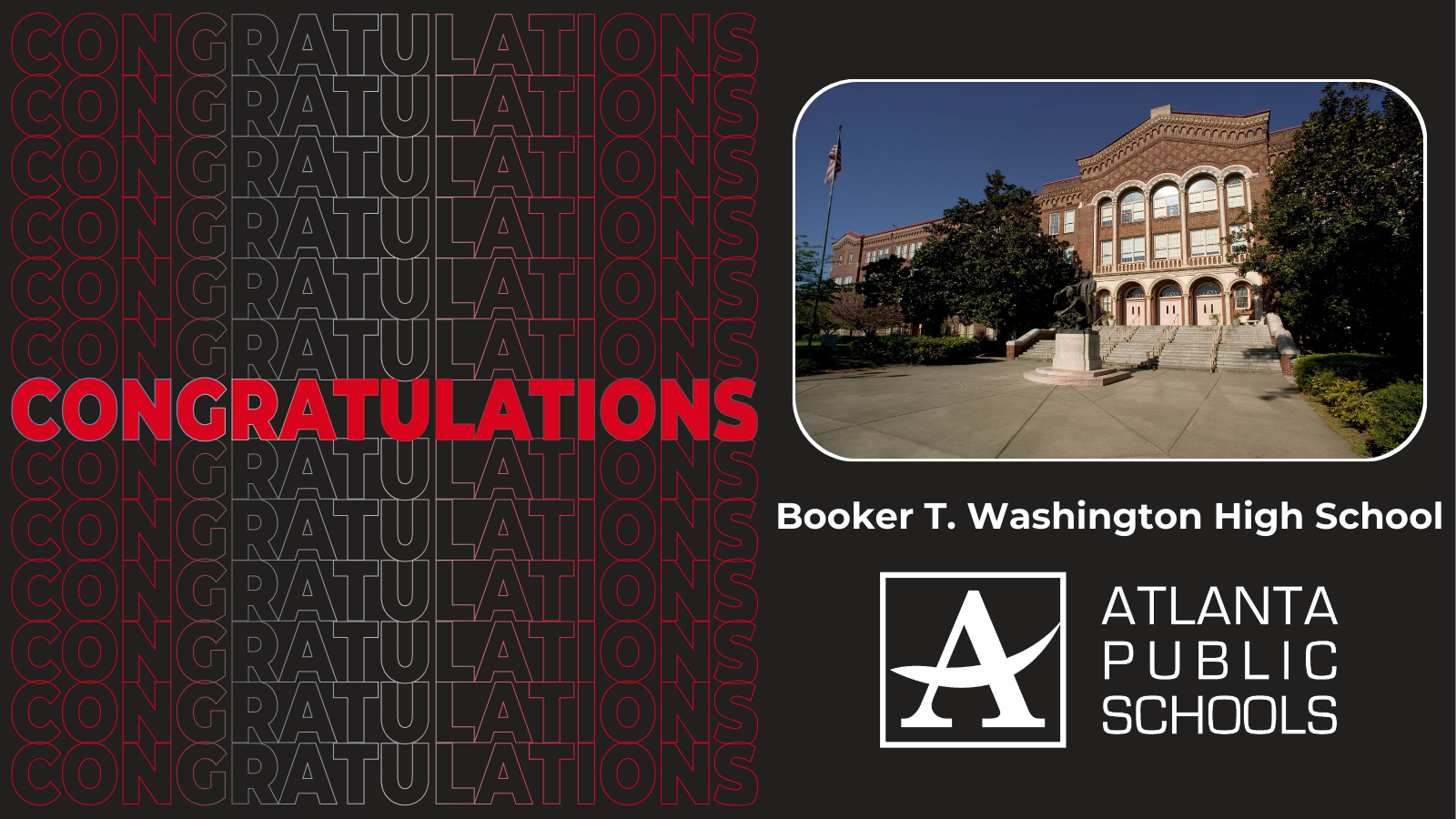
Principal Tiauna Crooms details how Booker T. Washington High School achieved its gains:
Q: What specific strategies or initiatives did your school implement that you believe contributed most to the CCRPI improvement?
A: Our school’s CCRPI improvement is primarily tied to our schoolwide focus on literacy, teacher clarity, and high-leverage instructional practices. Last year, we implemented a structured Read-In, Write-Out (RIWO) model, ensuring every class began with targeted reading and ended with targeted writing aligned to daily standards. This provided students with an additional hour of structured literacy practice each day and contributed to a reduction in the number of students reading below grade level, as shown in Spring 2025 MAP data.
We also strengthened schoolwide use of formative assessments, weekly data meetings, and instructional adjustments to ensure alignment between standards, tasks, and student outcomes. Teachers provided targeted interventions, small-group instruction, and station-based differentiation to meet diverse learner needs.
For Students with Disabilities (SWD), we expanded supports such as scaffolded assignments, extended time, alternative teaching models, structured SDI strategies, assistive technology (Read & Write), and small-group testing when possible. These practices helped ensure equity and consistency in access to grade-level learning.
Together, these initiatives created a more coherent instructional framework, improved literacy across disciplines, and supported measurable student growth.
Q: Can you share examples of how your teachers are driving student growth and achievement, and any practices that have been particularly effective?
A: Teachers are driving student growth by using clear learning intentions, success criteria, and consistent feedback routines across all content areas. Formative assessments guide instruction, small-group support, and timely reteaching.
Key examples include:
- ELA: Writer’s Workshops and Writing Clinics provide structured scaffolding and actionable feedback, supported by tools like Paper and Write Score.
- Algebra: Weekly gamification bootcamps build engagement and reinforce standards through collaborative challenges and real-time error analysis.
- Science: Inquiry-based tasks and data-analysis routines strengthen conceptual understanding and scientific reasoning.
- U.S. History: Teachers use document analysis, structured note-taking, and evidence-based writing to deepen historical thinking.
- CTAE, Fine Arts, and PE: Reflective writing and vocabulary routines boost content understanding and student ownership.
Across all subjects, teachers adjust instruction based on data and provide targeted interventions for both struggling learners and Students with Disabilities, ensuring equitable access to grade-level learning.
Q: What is something impactful/innovative happening in the area of teaching and learning at your school that sets your school apart?
A: One of the most impactful innovations at our school is the intentional use of data-driven decision-making to build students’ foundational skillsets across content areas, especially in Algebra. This has strengthened our ability to provide targeted support, reinforce core skills, and ensure students are mastering essential concepts before moving on.
In addition, our Writing to Win initiative integrates disciplinary writing across all subjects, helping students strengthen the analytical and communication skills needed for deeper learning. Coupled with schoolwide teacher clarity, consistent literacy routines, and SWD supports—including scaffolded pathways, assistive technology, and SDI strategies—this approach ensures instructional coherence and equitable access for all learners.
Together, these practices create a learning environment where instruction is intentional, responsive, and built around data-informed support for both foundational skills and higher-level thinking.
Q: What are your hopes or expectations for student achievement moving forward, and how do you plan to build on this recent success?
A: Moving forward, our goal is to sustain and deepen the academic growth we saw last year by continuing to strengthen literacy, instructional clarity, and equitable access for all students. We aim to further increase the percentage of students reading and writing on grade level, expand proficiency in Algebra and Biology, and close gaps among historically underserved groups, especially Students with Disabilities (SWD).
To build on our success, we plan to:
- Implement the Writing to Win initiative schoolwide, ensuring writing is embedded across grade levels and content areas so students develop strong, consistent writing and communication skills.
- Continue prioritizing teacher clarity by refining learning intentions, success criteria, and aligned tasks so students understand expectations and have clear pathways to mastery.
- Strengthen data-driven decision-making, enabling teachers to respond quickly to student needs through targeted small-group instruction, strategic spiraling of essential skills, and timely intervention.
- Build students’ foundational skillsets in Algebra through ongoing diagnostic checks, focused reteaching cycles, and continued use of high-engagement structures like weekly gamification bootcamps.
- Intensify support for SWD by ensuring full implementation of SDI strategies aligned to each student’s ILP, expanding co-teaching partnerships, and leveraging assistive technologies to remove barriers to grade-level access.
Our expectation is that these aligned efforts will not only sustain our CCRPI gains but accelerate achievement across all subjects. Ultimately, we hope to cultivate confident, capable readers, writers, thinkers, and problem-solvers fully prepared for high school and beyond.
Discover more from APS Today
Subscribe to get the latest posts sent to your email.